Blog
When optimization gets practical
Customer stories, technical guides, and deep dives into 3D content optimization pipelines.
Categories
Tags
Search results
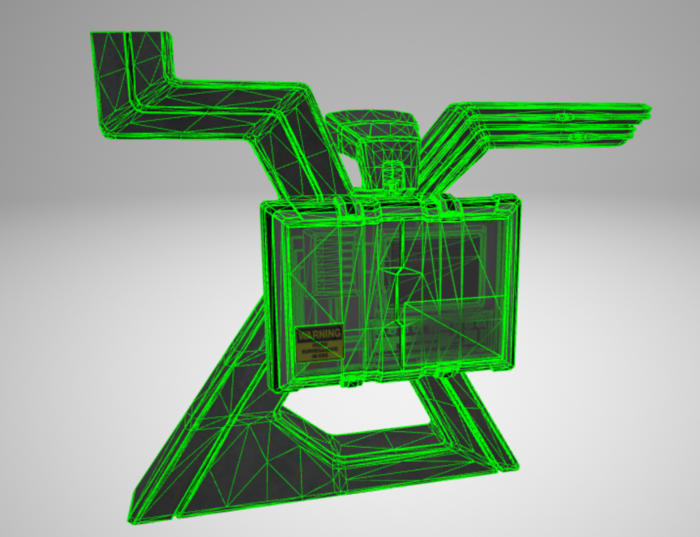
Automatic material casters with glTF in C++
If your asset pipeline holds different material setups for different assets, it can be useful to know how to make Simplygon cast materials correctly without having to know the exact setup for each asset. In this post we will guide you through a way of detecting and applying the correct material casters based on the input materials of the loaded scene. This guide is for the glTF file format, and different options is likely to be required for other file formats.
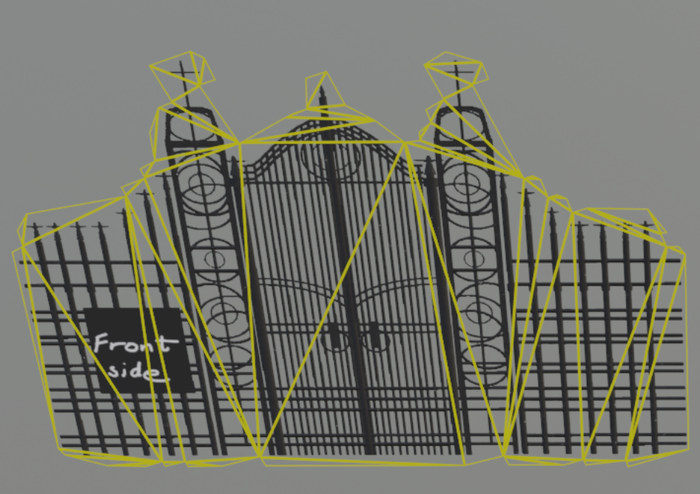
Billboard cloud mode: Outer shell
The billboard cloud aims to replace the objects in a scene with a view independent set of billboards. The Billboard mode: Outer shell makes the planes fit to the outer shell of objects, as opposed to Billboard mode: Foliage.

Impostor: Billboard cloud for vegetation
The billboard cloud aims to replace the objects in a scene with a view independent set of billboards. For vegetation assets the "Billboard mode" should be set to "Foliage" . This mode allows the billboards to represent the foliage volume with intersecting planes. The leaves should map to the billboards in a manner that keeps the perception of volume and silhouette close to the original tree.
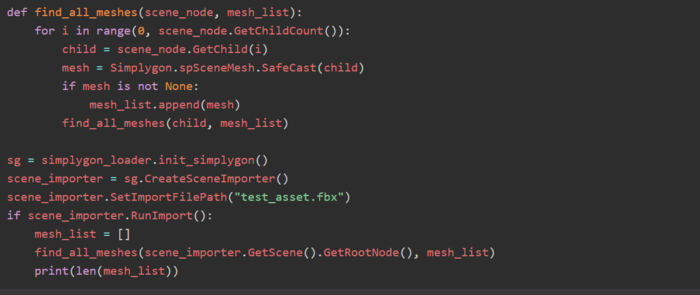
Working with Simplygon objects in Python
The Simplygon Python and C# APIs are wrappers around the core C++ library that contains all the algorithms and tools. This means that the ways of working with the API is inherited from the C++ library. Both in Python and C# there are some things that might seem odd at first, and this post will shed some light on these things.
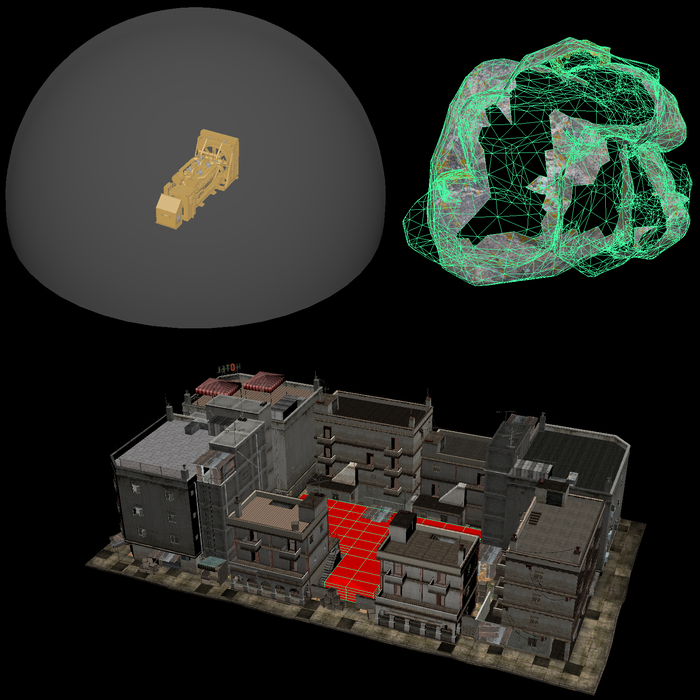
Geometry culling overview
In the Simplygon SDK you can find a range of options in the area of geometry culling. You can cull geometry volumetrically, use custom cameras, distribute cameras along a spherical surface, use occluders and clipping geometry. All these options can be combined in different manners to achieve the results that you are looking for. In a series of posts we'll go through the different options you have at your disposal. We'll explain how you use them and in what cases the different options comes into play.
No posts match your filters
Try a different keyword, or clear the active filters to see every post.