Blog
When optimization gets practical
Customer stories, technical guides, and deep dives into 3D content optimization pipelines.
Categories
Tags
Search results
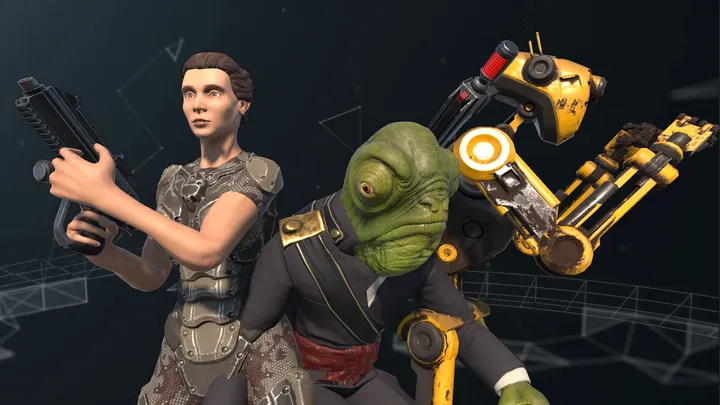
Optimize Unity character prefabs
In this blog we will create a system for automatic character prefab automation. We will cover baking textures during reduction for URP and rebinding LODs to the original skeleton.

Automated Unity prefab optimizer
In this blog post we'll showcase how to automate LOD creation for Unity prefabs. This allows us to optimize our game with (almost) the click of a button.

Getting started with quad reduction in Maya
In this blog we will look at how to use the quad reducer in Maya for character optimization. We'll look at both how to use it from the user interface but also from scripting.

What's new in Simplygon 10.4
We are proud to present our next major release. Simplygon 10.4 comes with improvements to the quad reducer, small parts remover and tessellated attributes. It also adds support for Unreal Engine 5.5, Maya 2025 and Blender 4.2.

Protecting selected materials
In this blog post, we will guide you through the art of safeguarding specific materials during mesh reduction. Imagine scenarios where preserving intricate details, such as character faces or dynamic materials like cloth, is crucial to maintaining the overall visual appeal of your 3D models.
Simple Maya script
In this post, we'll guide you through using Simplygon's scripting support in Maya to transfer data from Maya to Simplygon, run a process, and bring the results back into Maya. This tutorial will provide a solid foundation for applying tips and tricks from other blogs directly within Maya.

Scripting with Simplygon: Introduction
This is the first of a series of posts where we dig deeper into how to script with Simplygon. In this post we will explore four levels of scripting depth, discussing the advantages and disadvantages of each approach.
Vertex locks in Unity
In this blog we'll showcase how to use vertex locks in Unity to protect areas during optimization. We do this by editing the Simplygon scene after export from Unity.

Optimizing Unity games with Simplygon 10.3
In this blog, we'll detail how our new Simplygon 10.3 release can be used to optimize Unity games. We'll showcase different examples on what kind of performance problems that can be solved with automated asset optimization.
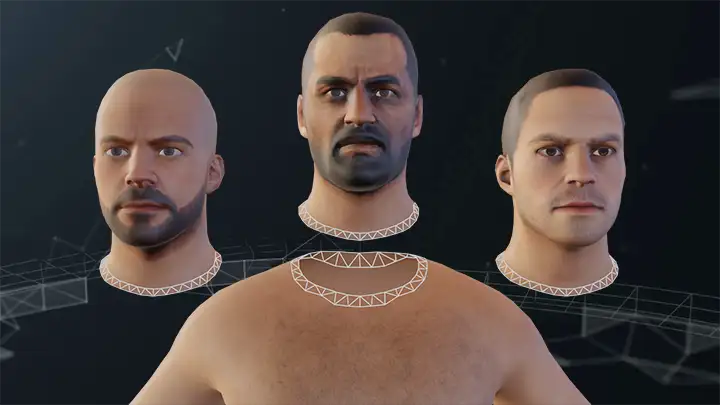
Optimizing a modular character asset
Characters constructed of modular pieces can suffer from a problem after they are optimized. If the seams connecting the different parts are not matching each other, you can end up with visual artefacts. This blog post will show how you can use the modular seams feature of Simplygon to prevent these issues.
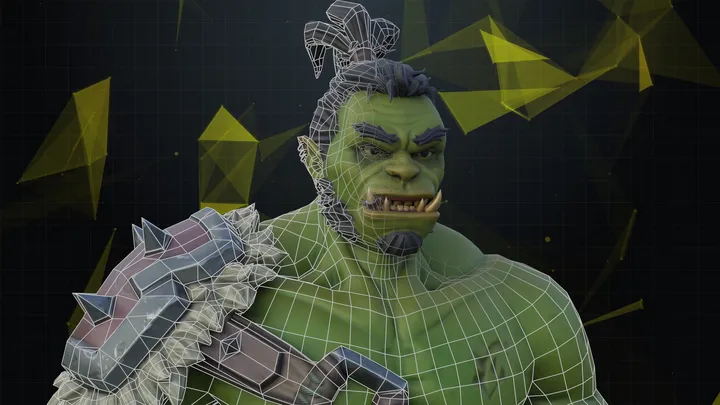
Character optimization with quad reduction
In this introduction blog we'll look at how to optimize a skinned character with the quad reducer.
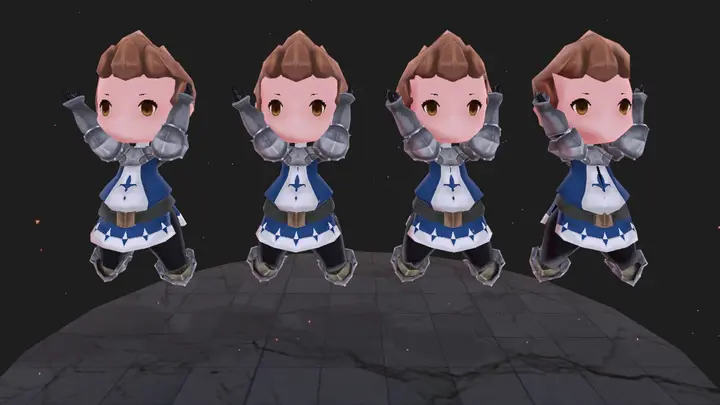
Low-poly character optimization
In this introduction blog we'll look at how to optimize a low poly skinned character with the Simplygon plugin for 3ds Max.
No posts match your filters
Try a different keyword, or clear the active filters to see every post.