Blog
When optimization gets practical
Customer stories, technical guides, and deep dives into 3D content optimization pipelines.
Categories
Tags
Search results
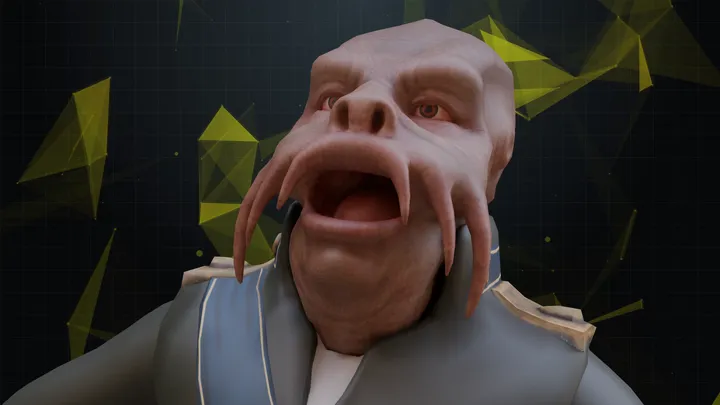
LOD0 character optimization using quad reduction and material baking
In this blog post, we will create a character optimization pipeline inside 3ds Max. It will feature quad reduction and material merging. With vertex weighting, geometric quality and UV scaling can be controlled by the artist painting vertex colors.
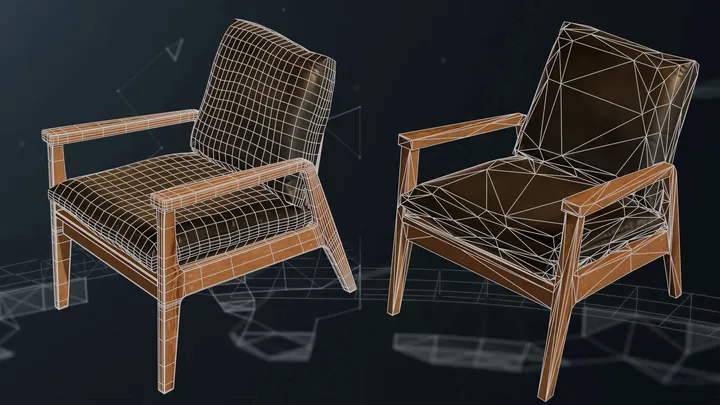
Load additional texture channels into a Simplygon scene
In this blog post, we will showcase how to load textures into additional material channels in a file. This is useful if you are using material channels not defined in a standard file format (like FBX).
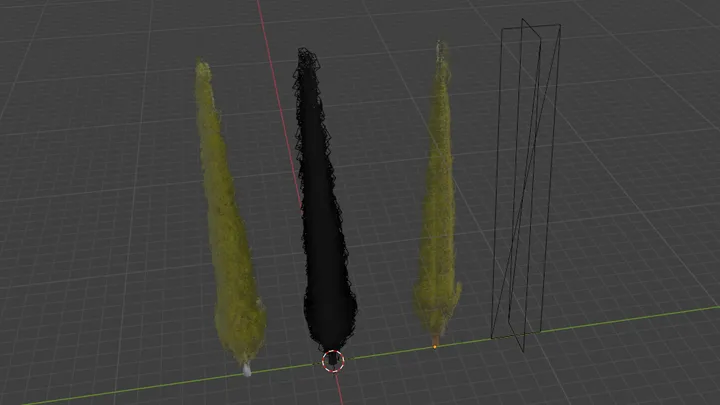
How to create a cross billboard impostor
In this blog post, we’ll demonstrate how to use impostor from single view, along with some scene graph manipulation—specifically copying and rotating—to create a cross billboard. A cross billboard consists of two axis-aligned impostors, using the same texture in this example.
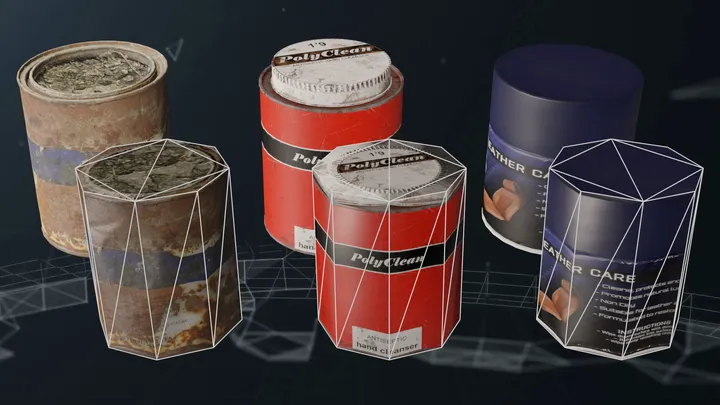
Reuse proxy models with surface mapper
In this blog we'll showcase how the surface mapper enables reusing the same model as LOD levels for multiple models with different topology. It also showcase how you can bake materials to an self supplied proxy model.
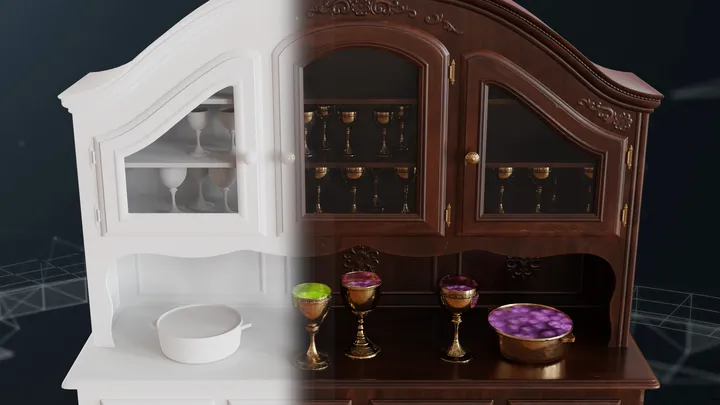
Keep original materials during aggregation
In this blog we'll showcase how to keep original materials during material merging. This enables you to keep materials that require special shaders separated during optimization.
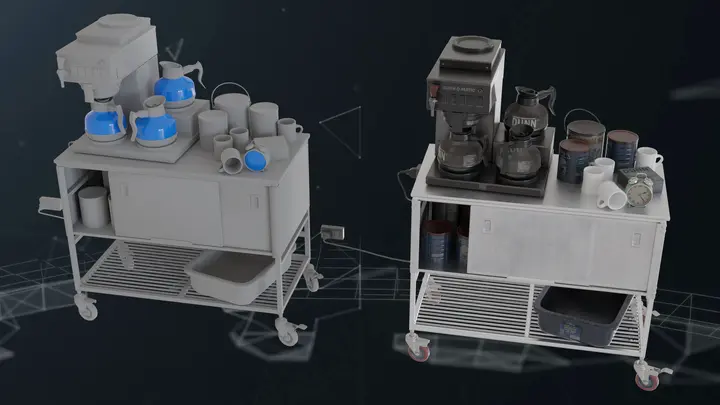
Aggregation with multiple output materials
In this blog we'll showcase how to use a mapping image with multiple output materials. This enables you to perform material merging on an asset with both opaque and transparent materials.

How to find correct settings for a scripted pipeline
In this post we'll cover how to find the correct settings for a scripted pipeline by exporting a pipeline created using the user interface.

Bake vertex colors into textures
In this blog we'll look at how to bake vertex colors into textures. Use case for this is certain phot scanned assets where color data is saved into vertex colors. We'll look at how to do this with both the remesher and aggregator pipeline. We'll also cover how to create a shading network for vertex colored materials as well as how to remove vertex colors from model post processing.
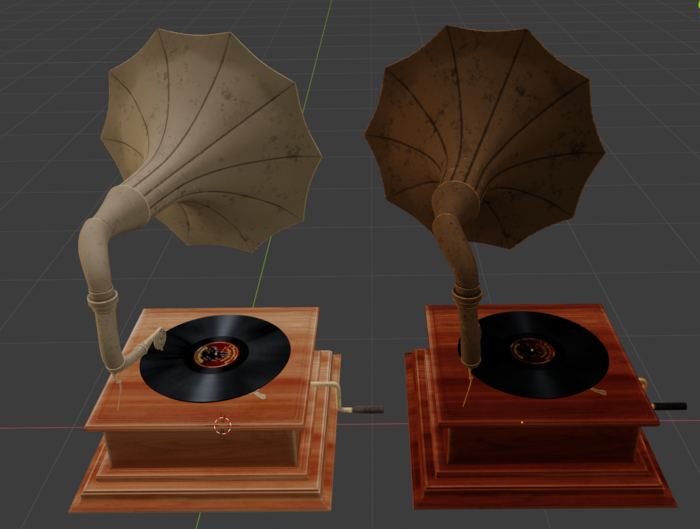
Troubleshooting gamma issues
If you have processed assets in Simplygon and the output had another color shade, then this post is for you. In this post we'll go through how to detect and solve gamma issues.

Bake decals into surfaces
In this spooky blog post we will optimize away spider web decals from a scene. While it might seem unfitting given the release date of this post it is a well-known fact that most of the spider webs being displayed are not real and just for decoration.
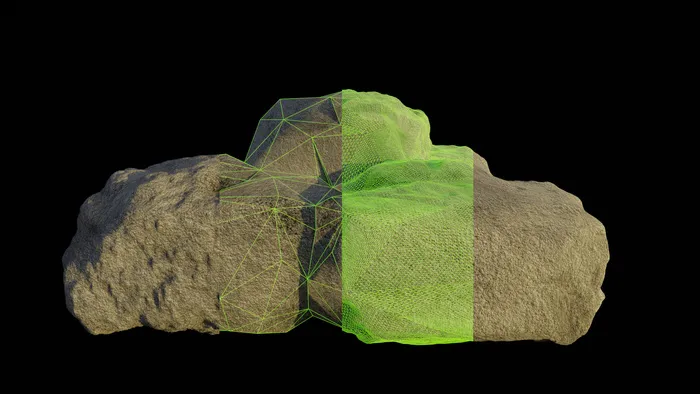
Accelerated remeshing using tessellated attributes
With Simplygon 10.0 we introduced tessellated attributes. In this post we'll showcase how to use them to speed up high resolution remeshings where we only care about surface details.
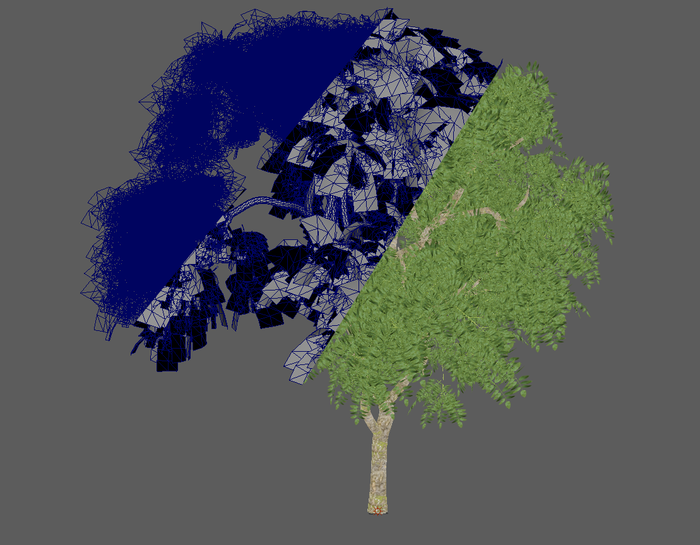
Manually separate trunk during vegetation optimization
Simplygon has a pipeline specific tailored for vegetation optimization; Billboard Cloud for Vegetation. One of its features is an automatic trunk detector which can separate out the trunk from all leaves and run it in a separate reduction processor. However for this blog post we are going to do that manually to increase our control over the processing.
No posts match your filters
Try a different keyword, or clear the active filters to see every post.