Blog
When optimization gets practical
Customer stories, technical guides, and deep dives into 3D content optimization pipelines.
Categories
Tags
Search results
Reduce overdraw in Unity games with visibility culling
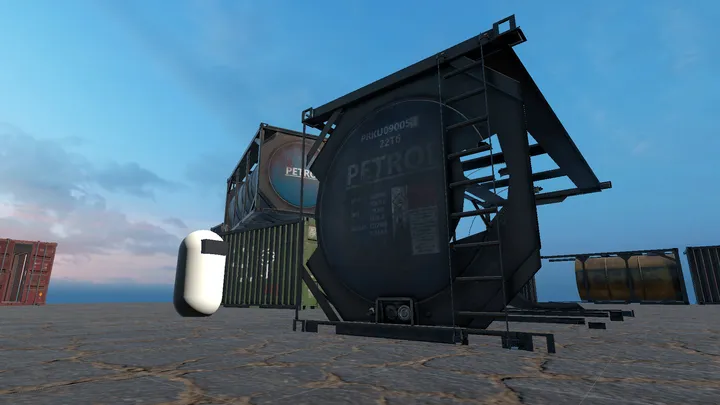
In this blog post we will show how to use Simplygon to optimize a Unity scene with visibility culling. This allows us to throw away geometry that is never visible from the player's point of view, reducing both overdraw and number of triangles.
Introduction to Part Remover tool
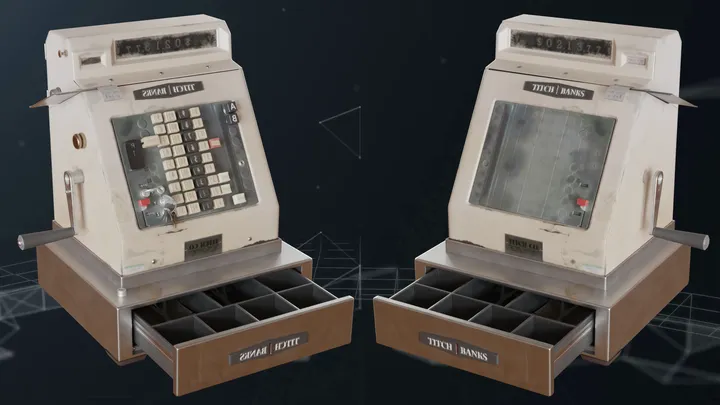
In this blog post, we will look at how to use the part remover in Simplygon to remove small disconnected parts from a 3D model. We will also look at how to combine part removal with reduction to get better results when reducing models that consist of several disconnected parts.

Three advanced tools to improve your automated character LOD pipeline
If your game features complex characters, an automated LOD pipeline can save time and ensure consistency. In this post, we’ll explore three advanced techniques using Simplygon to take your character LOD pipeline to the next level.
LOD0 character optimization using quad reduction and material baking
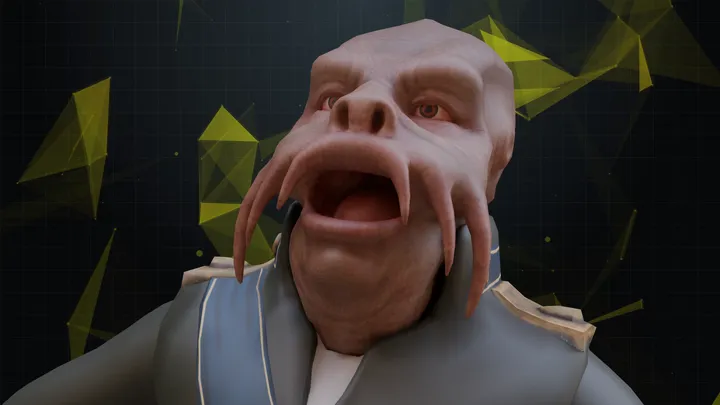
In this blog post, we will create a character optimization pipeline inside 3ds Max. It will feature quad reduction and material merging. With vertex weighting, geometric quality and UV scaling can be controlled by the artist painting vertex colors.

Automated asset optimization for mobile games
Mobile games often rely on a free-to-play model where monetization comes from microtransactions or gacha mechanics. The content you pay for is usually additional art assets, such as special skins or characters. This means that asset creation cost is directly correlated to how profitable the video game is. In this blog, we will look at how to reduce the cost of art optimization, which can play a significant role.

What is the right reduction target for LOD creation?
A common question when generating LODs is which reduction target to use. Using a poor target is the root of many problems, such as LOD popping or broken assets. In this blog we’ll go through the different reduction targets available in Simplygon and give you some guidelines on where to start.
Load additional texture channels into a Simplygon scene
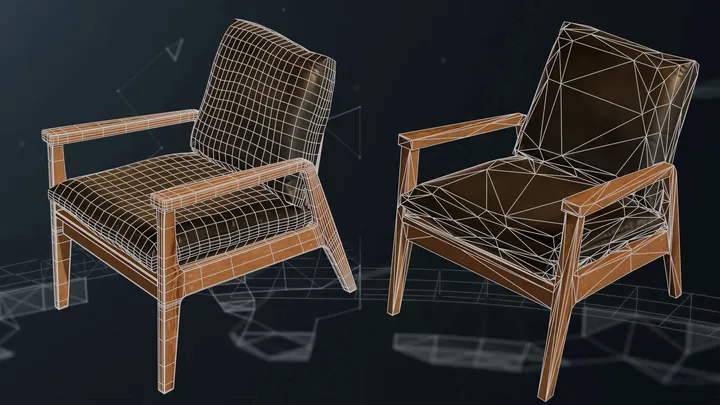
In this blog post, we will showcase how to load textures into additional material channels in a file. This is useful if you are using material channels not defined in a standard file format (like FBX).
Handling alpha clipping with compute casters
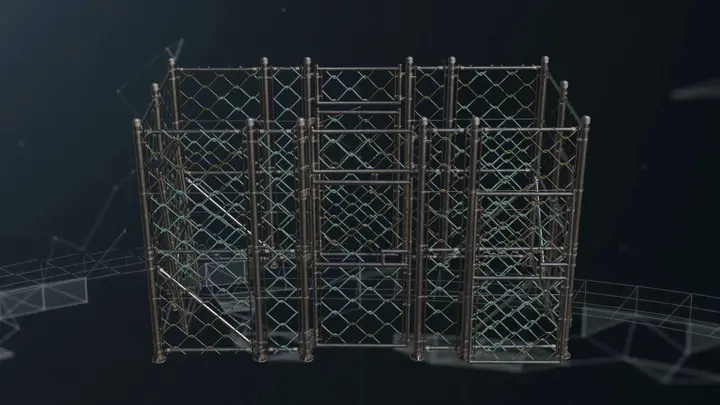
In this blog we will have a look at how to create billboard impostors for assets using shaders with alpha clipping. The solution is to introduce a little code snippet using sg_DiscardValue and sg_PreviousValue in every sampler function.

The four fundamental tools for automated character optimization
In this blog we will look at the four fundamental tools of building an automated character optimization pipeline. This includes triangle reduction, vertex weights, bone reduction, and material merging. An automated pipeline allows us to create LOD levels efficiently and effectively, reducing the manual effort required for optimization. It can also be used when developing game titles targeting multiple platforms, where each platform may have different performance requirements.
How animation hides LOD Transitions
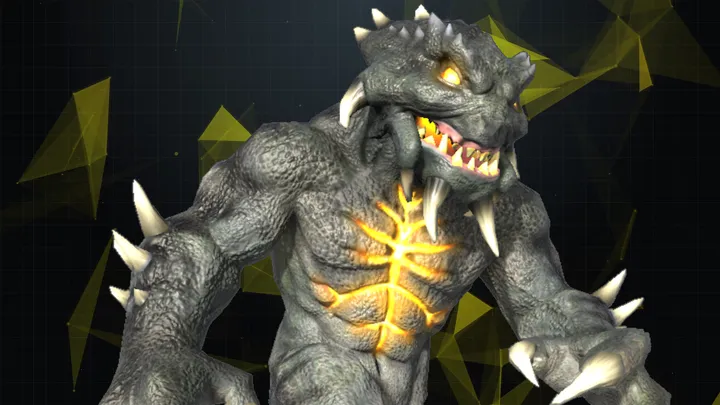
In this blog post, we will investigate how animations affect LOD transitions. According to our results from our small sample set, we can switch around 2-4 times closer to the camera if an object is animated compared to when it is static.
Introduction to Clustered Meshlet Optimization
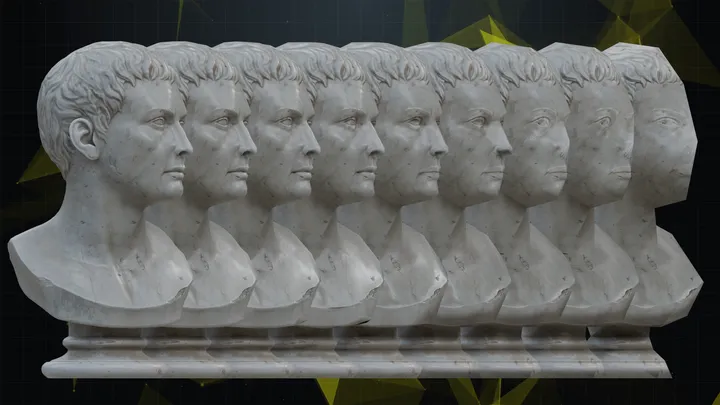
In this blog post we will look at Simplygon's new clustered meshlet feature. We will cover how to generated them and a way to visualize them which serves as the base for implementing a clustered meshlet rendering pipeline in your engine.

How to find correct settings for Billboard Cloud: Outer shell
Billboard clouds can be a lifesaver for assets where neither reduction or remeshing works. In this blog we will cover how to find good optimization settings for a Billboard Cloud: Outer Shell impostor.
No posts match your filters
Try a different keyword, or clear the active filters to see every post.