Blog
When optimization gets practical
Customer stories, technical guides, and deep dives into 3D content optimization pipelines.
Categories
Tags
Search results
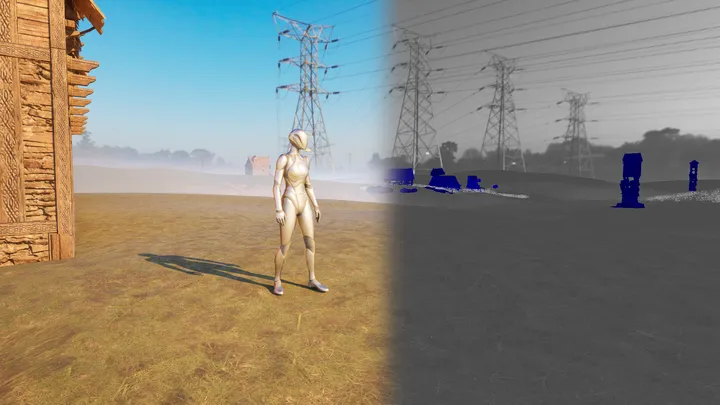
How to build HLOD clusters for World Partition levels with Simplygon
In this post we'll showcase how to build HLODs for world partition levels in Unreal Engine 5 using Simplygon's new HLOD builder.

Optimizing Unity games with Simplygon 10.3
In this blog, we'll detail how our new Simplygon 10.3 release can be used to optimize Unity games. We'll showcase different examples on what kind of performance problems that can be solved with automated asset optimization.

What's new in Simplygon 10.3
In Simplygon 10.3 we have focused on improving our integrations. Simplygon's Unreal Engine 5 plugin now comes with major updates for World Partition HLODs. Our Unity plugin has been overhauled to improve support. It also adds support for 3ds Max 2024, Maya 2024 and Blender 4.0.
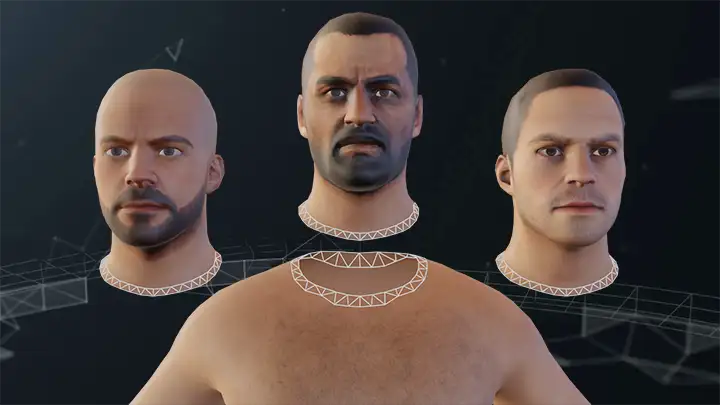
Optimizing a modular character asset
Characters constructed of modular pieces can suffer from a problem after they are optimized. If the seams connecting the different parts are not matching each other, you can end up with visual artefacts. This blog post will show how you can use the modular seams feature of Simplygon to prevent these issues.

Keep original materials during aggregation
In this blog we'll showcase how to keep original materials during material merging. This enables you to keep materials that require special shaders separated during optimization.
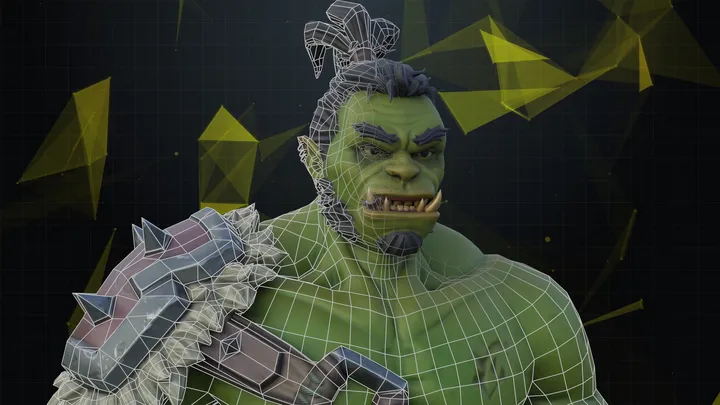
Character optimization with quad reduction
In this introduction blog we'll look at how to optimize a skinned character with the quad reducer.
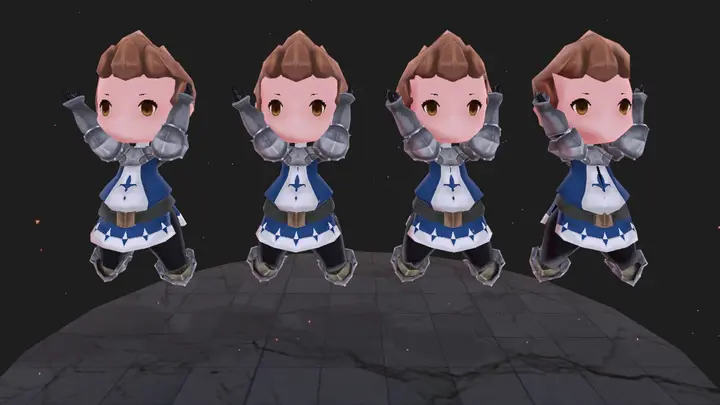
Low-poly character optimization
In this introduction blog we'll look at how to optimize a low poly skinned character with the Simplygon plugin for 3ds Max.

Aggregation with multiple output materials
In this blog we'll showcase how to use a mapping image with multiple output materials. This enables you to perform material merging on an asset with both opaque and transparent materials.
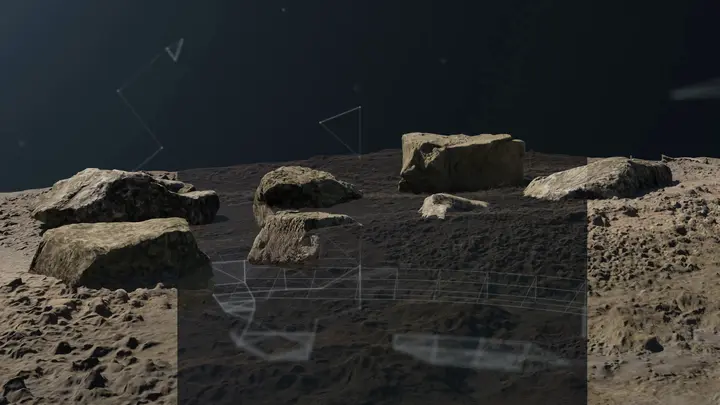
Introduction to terrain culling
In this blog we'll showcase how to cull away triangles that are below terrain. This is useful for aggregation and remeshing. We'll also showcase some common pitfalls.
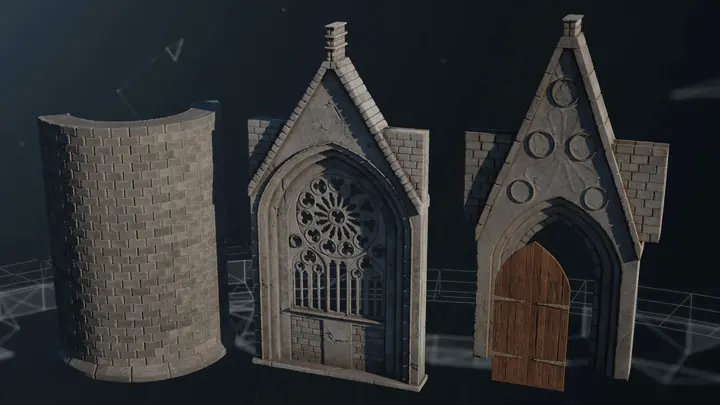
Introduction to micro-meshes for mesh compression
In this blog we will cover how to generate meshes using NVIDIAs new micro-mesh technology with Simplygon. We will create a batch processor for kit-bashed 3d scanned content indented to save disc space and optimize render performance.

Tight fitting impostors with minimal overdraw
Generate tight fitting impostor geometries around the opaque areas based on the input opacity map.
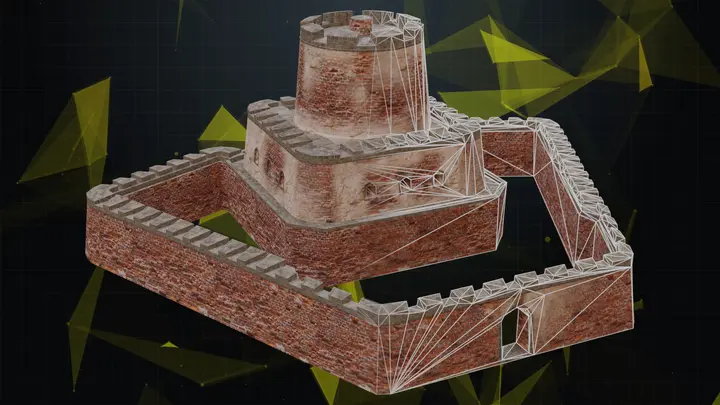
Using your own shaders for material baking with Compute Casting
Today we will look at how to create proxies for object with custom shaders. We are going to use compute casters in combination with scene descriptions serialized to xml files to create a batch processor indented to process HLOD meshes. We'll also cover clipping planes.
No posts match your filters
Try a different keyword, or clear the active filters to see every post.