Simplygon turns 20

Two decades of helping developers build bigger worlds, optimize at scale, and spend more time creating.

Twenty years ago, game worlds looked very different. Asset libraries were smaller, hardware constraints were tighter, and large-scale asset optimization was still an emerging discipline. Since then, Simplygon has helped developers navigate generation after generation of content growth, making it possible to build richer worlds without sacrificing performance.
As we celebrate this milestone, we are looking back at the technology, partnerships, and production challenges that shaped our journey, and ahead to a future where intelligent optimization becomes even more essential.
20 years. More than 1,000 AAA titles. One enduring goal: help developers build and ship more ambitious content with less repetitive manual work.
Where we started
The first technology we developed was not a reducer. It was a remesher. The idea was to help developers build huge open worlds by creating efficient representations of complex scenes. That early focus still defines Simplygon today. The challenge was never just triangle count. It’s about making large-scale content practical to build, optimize, and ship.
Proving the value of automation
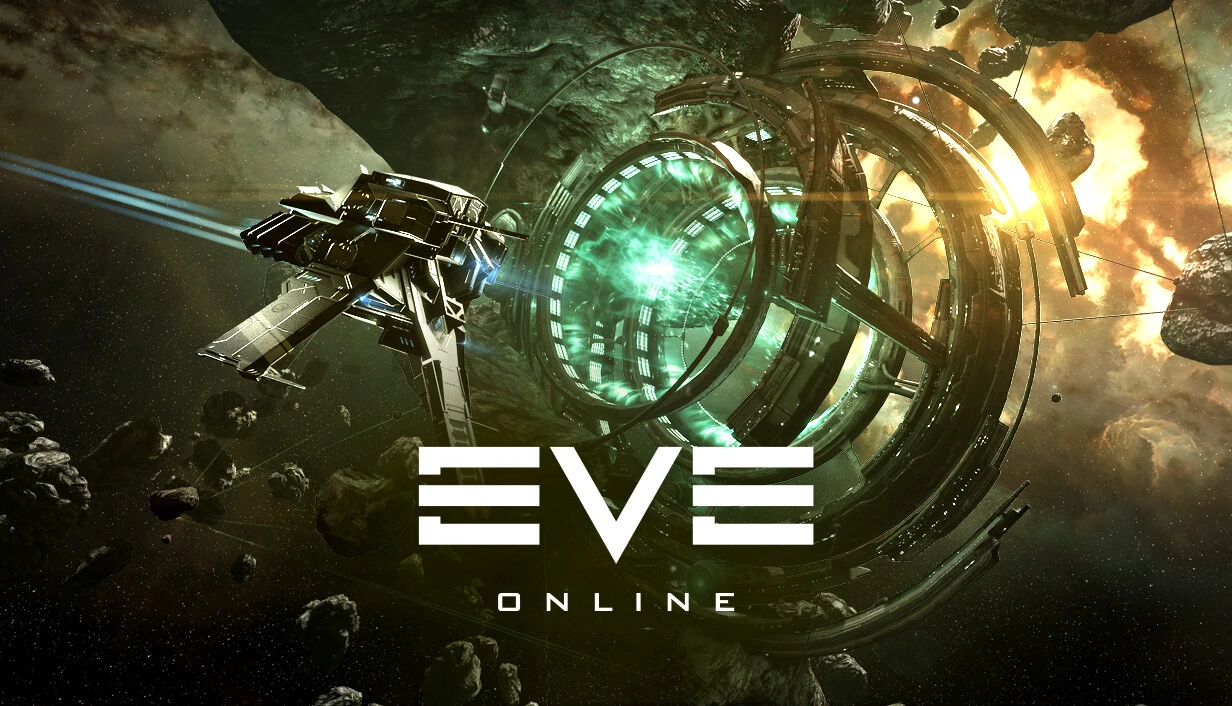
Our longest-running customer relationship is with EVE Online. Across two decades of technical change, content growth, and live service development, Simplygon has helped optimize one of gaming’s most enduring virtual worlds. Few milestones demonstrate long-term value more clearly than a partnership that has evolved alongside the game itself.
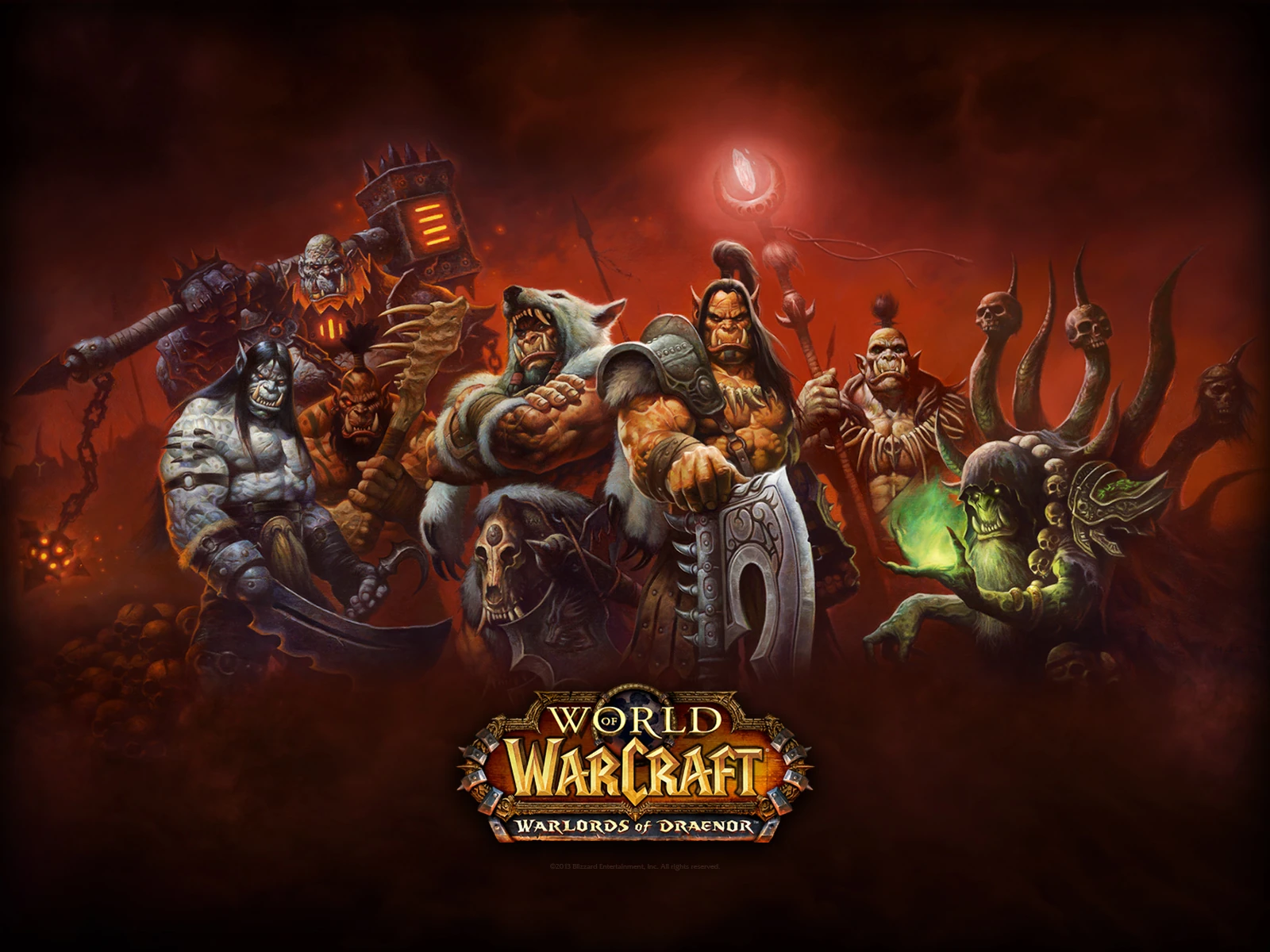
When World of Warcraft: Warlords of Draenor adopted Simplygon, automated LOD generation could be applied at the scale of one of the industry’s largest asset libraries. It was a clear demonstration of why automation matters: as content scale grows, manual optimization cannot grow with it.
From individual assets to entire scenes
As game worlds became larger and more complex, optimization challenges extended beyond individual assets. In 2017, we developed HLOD workflows to help teams handle larger scenes with more automation. This expanded Simplygon beyond per-asset optimization and toward full-scene optimization. Instead of generating LOD chains only for individual assets, developers could manage scene complexity at a higher level, an important step toward the large-world workflows we continue to support today.
Over the years, Simplygon has supported a wide range of content and production pipelines, from long-running MMOs and live-service worlds to open-world adventures, strategy titles, racing games, and cutting-edge new releases. More than 1,000 AAA titles have used Simplygon during development. That breadth reinforces a simple point: automated optimization is not limited to one genre, one engine, or one kind of world. The shared goal is more content, better performance, and less manual work.
The next 20 years
The next era of game development may create more 3D content than ever before. Larger worlds, growing asset counts, procedural generation, and generative AI are accelerating the scale and pace of content production. The challenge will not only be creating content. It will be managing, optimizing, and shipping that content efficiently across more platforms, rendering paths, and production timelines.
In that environment, optimization can no longer be treated as a final cleanup step. It needs to be embedded in the content pipeline from the start, with deeper integration, better automation, and broader coverage across the production process.
Our goal remains the same: help developers build bigger worlds, move faster, and spend less time on repetitive manual work. Twenty years ago, we set out to make ambitious real-time content practical. As games continue to grow in scale and complexity, Simplygon will continue helping creators spend less time optimizing by hand and more time bringing their worlds to life.
Thank you to every customer, partner, and developer who has been part of the first 20 years of Simplygon.
From the earliest experiments in automated optimization to the next generation of AI-assisted content creation, we're excited to help shape the future of game development together.